Integrating Hand Drawn Garlic Herbs Clipart into Professional Design Workflows
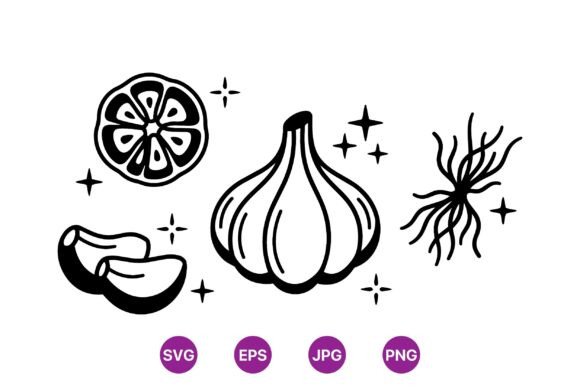
In the fast-paced world of digital content creation, the demand for high-quality, versatile visual assets is constant. Whether you are a small business owner designing packaging, a blogger curating recipe posts, or a marketer building social media campaigns, the right graphics can significantly elevate your brand’s perceived value. One asset that has gained traction for its versatility and aesthetic appeal is Hand Drawn Garlic Herbs Clipart. This specific collection, featuring a black and white vector illustration of a garlic bulb with cloves, a sliced lemon, an abstract root, and decorative sparkles, offers more than just visual charm. It represents a strategic resource for creators who prioritize efficiency, scalability, and clean design.
Understanding how to effectively integrate these assets into your existing workflow requires a shift in perspective. Instead of viewing clipart as a mere afterthought or a quick fix, consider it a foundational element of your design system. The key lies in leveraging the technical specifications of the download—specifically the inclusion of SVG, PNG, JPG, and EPS files—to ensure consistency and quality across various platforms and mediums.
The Strategic Value of Vector-Based Assets
The core advantage of this particular clipart set is its format. The artwork is provided as 100% vector SVG and EPS files, alongside rasterized PNG and JPG options. For professionals, this distinction is critical. Vector graphics are mathematical representations of images, meaning they can be scaled infinitely without losing resolution. This is particularly important when your design needs to transition from a small social media icon to a large-format print banner.
When you incorporate Hand Drawn Garlic Herbs Clipart into your projects, you are not limited by pixel density. The pure black and white, high-contrast style ensures that the image remains crisp and legible regardless of size. This eliminates the common frustration of blurry edges or pixelation that often plagues raster-only assets. By starting with vector files, you establish a quality control baseline that protects your brand’s professional appearance across all touchpoints.
Pre-Production: Planning and Compatibility Checks
Before diving into the creative execution, successful integration begins with preparation. Understanding the compatibility of these file types with your current software stack is essential. Most modern design tools, including Adobe Illustrator, CorelDRAW, Inkscape, and even web-based platforms like Canva, support SVG imports. However, the workflow differs slightly depending on the tool.
If you are using professional vector software, importing the EPS or SVG files allows you to ungroup elements, recolor individual components, or modify paths. This level of customization is vital for maintaining brand consistency. For instance, if your brand colors include a specific shade of green, you can easily adjust the black vectors to match your palette while retaining the hand-drawn texture. On the other hand, if you are working within a constrained environment like a basic word processor or a rigid website builder, the high-resolution PNG files provide a reliable fallback. They offer transparency support, allowing the garlic and lemon illustrations to sit seamlessly over colored backgrounds without unsightly white boxes.
Implementation Across Different Creative Verticals
The utility of Hand Drawn Garlic Herbs Clipart extends far beyond simple decoration. Its application varies significantly depending on the industry and the specific goals of the project. Here is how different professionals can leverage these assets during the execution phase of their work.
Culinary Branding and Packaging
For food entrepreneurs, chefs, and culinary bloggers, authenticity is paramount. The hand-drawn style of the garlic bulb and herbs conveys a sense of artisanal quality and organic freshness. When designing labels for homemade sauces, spice blends, or farm-to-table products, these vectors can serve as the central focal point. Because the design includes complementary elements like a sliced lemon and abstract roots, you can create cohesive pattern repeats or border designs. The simplicity of the flat design ensures that the text on your packaging remains readable, adhering to both aesthetic and regulatory requirements.
Digital Content and Social Media
In the realm of digital marketing, speed and engagement are key metrics. Bloggers and social media managers can use these clipart elements to break up text-heavy posts or to create visually appealing story highlights. The decorative sparkles included in the set add a subtle touch of whimsy that can increase user interaction. Since the files are optimized for web use, loading times remain fast, which is a crucial factor for SEO and user experience. You can animate these SVGs using CSS or JavaScript for interactive website elements, adding a layer of sophistication to your digital presence without heavy coding requirements.
Educational Materials and Printables
Educators and publishers creating worksheets, cookbooks, or health guides benefit from the high-contrast nature of the artwork. The clear lines make these illustrations ideal for coloring pages or instructional diagrams where clarity is non-negotiable. Teachers can integrate these images into lesson plans about nutrition, botany, or cooking basics. The black and white format also makes them cost-effective for printing, as they consume less ink than full-color photographs while still providing engaging visual cues for students.
Workflow Efficiency and Organization
To maximize the return on investment for any digital asset, organization is crucial. Upon downloading the ZIP folder, immediate action should be taken to structure your files. Create a dedicated directory for your culinary or botanical assets. Within this folder, separate the vector files (SVG, EPS) from the raster files (PNG, JPG). This separation prevents accidental use of low-resolution versions in high-stakes print projects.
Furthermore, consider creating a "brand kit" document where you save pre-adjusted versions of the clipart. If you frequently change the color of the garlic illustration to match seasonal campaigns, save those variations as separate files. This proactive approach reduces repetitive tasks and ensures that every team member uses the correct, approved version of the asset. Consistency in visual language builds trust with your audience, and streamlined access to assets supports that consistency.
Quality Control and Long-Term Use
While the initial implementation is important, long-term value comes from adaptability. As design trends evolve, the simplicity of flat design remains timeless. However, you may find the need to update the context in which these images appear. Regularly audit your use of Hand Drawn Garlic Herbs Clipart to ensure it aligns with your current branding guidelines. Are the sparkles too prominent for a serious medical journal? Is the garlic detailed enough for a close-up hero image? These are questions that require ongoing evaluation.
Additionally, keep an eye on file integrity. Vector files are generally robust, but corruption can occur during transfers or software updates. Maintain backups of your original ZIP download in cloud storage and local drives. This redundancy ensures that you always have access to the pristine source files, allowing you to regenerate any derived assets if necessary.
Conclusion
Integrating Hand Drawn Garlic Herbs Clipart into your professional toolkit is not just about adding pretty pictures to your work. It is about leveraging high-quality, scalable vector assets to enhance efficiency, maintain brand consistency, and communicate quality. By understanding the technical advantages of SVG and EPS formats, planning for compatibility, and organizing your workflow for easy access, you transform a simple download into a powerful component of your creative process. Whether you are designing packaging, crafting social media content, or developing educational materials, these illustrations offer the flexibility and professionalism needed to succeed in a competitive digital landscape.